
283 Article
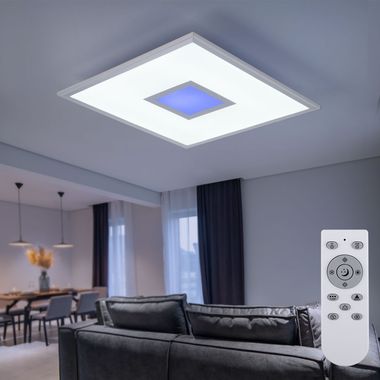 RGB LED panel, 2600 lm, CCT, remote control, dimmable, L 45 cmDelivery 1-3 days
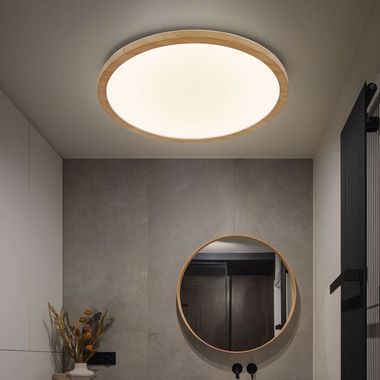 LED ceiling light, IP44, wood look, dimmable, D 29.4 cmDelivery 1-3 days
- LED ceiling light, black, round, D 22.5 cmDelivery 1-3 days
- LED ceiling light, wood look, 3 light levels, D 42 cmDelivery 1-3 days
- LED recessed panel, 4320 lumens, neutral white, L 59.5 cmDelivery 1-3 days
- LED recessed panel, 1000 lumens, warm white, L 17 cm, VT-1207Delivery 1-3 days
- 29%
- LED ceiling light, silver steel, white, L 28.5 cmDelivery 1-3 days
- LED ceiling light, white, dimmable, D 33.5 cmDelivery 1-3 days
- LED ceiling light, white, round, 4000K, IP44, D 25 cmDelivery 1-3 days
- LED ceiling light, metal, white, modern, L 100cmDelivery 1-3 days
- LED ceiling light, surface-mounted panel, plastic, white, L 21.4 cmDelivery 1-3 days
- LED recessed panel, 36 watts, 4320 lumens, cool white, 59.5x59.5 cmDelivery 1-3 days
- Ceiling light, gold, spots movable, L 56 cmDelivery 1-3 days
- LED surface-mounted panel, white, dimmable, remote control, D 40 cmDelivery 1-3 days
- LED ceiling light, wood look, IP44, 3 light levels, 29x29 cmDelivery 1-3 days
- LED ceiling light, wave decor, white, D 44 cmDelivery 1-3 days
- Ceiling light, black, movable spots, L 56 cmDelivery 1-3 days
- LED ceiling light, memory function, IP44, L 29.4cmDelivery 1-3 days
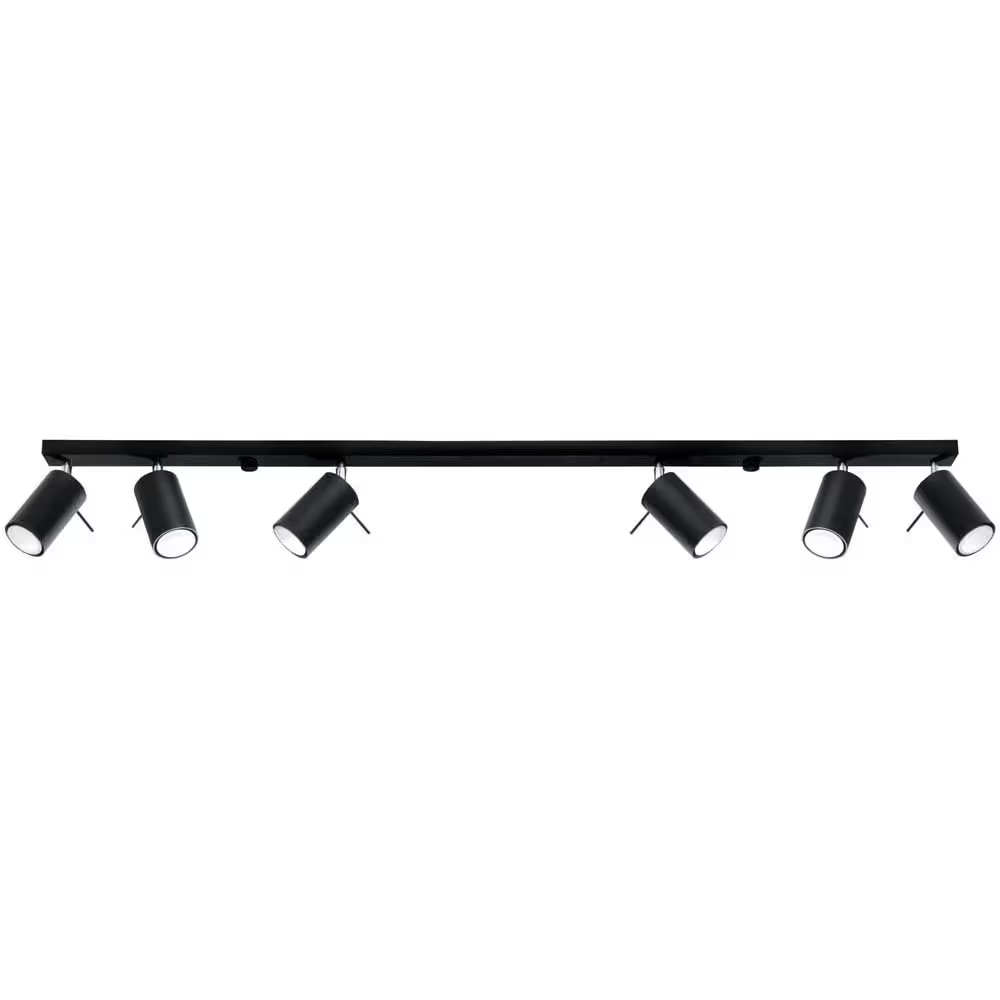
- Ceiling light, movable spots, matt black, L 180 cmDelivery 1-3 days
Modern ceiling lights for the office - efficient, stylish and well thought-out
Light creates performance: why office ceiling lights provide more than just brightness
Anyone who works many hours a day in an office soon realises that good lighting is not a luxury, but a basic requirement. Headaches, tired eyes, poor concentration - these are all symptoms of poor lighting. Ceiling lights for the office solve this problem right at the root.
They bring uniform light to the workplace, reduce annoying shadows and create a pleasant working environment. This increases productivity and ensures satisfied employees. Whether an individual office, open-plan office or conference room - well-designed ceiling lights adapt to any environment and promote efficient working.
What requirements do good office ceiling lights fulfil?
Glare-free light for maximum concentration
Unpleasant reflections on screens disrupt work and strain the eyes. This is why high-quality ceiling lights use special diffusers or microprisms. They distribute the light evenly and prevent direct glare.
Colour temperature similar to daylight
Natural light is around 5,500 Kelvin. Good office ceiling lights are orientated towards this. Colour temperatures between 4,000 and 6,000 Kelvin have an activating effect and promote clear thinking - perfect for long meetings or creative tasks.
Light intensity and illumination: Uniform illumination instead of harsh spots
Light that is too dark strains the eyes, light that is too bright dazzles and disturbs concentration. The right amount of light is crucial. Good ceiling lights for offices generate around 500 lux at the workplace - this is the recommended brightness for concentrated, fatigue-free working.
Difference between lux and lumen:
- Lux indicates how much light actually hits a certain surface.
- Lumen describes the total amount of light emitted by a luminaire.
Modern office ceiling luminaires make targeted use of their lumen output. They provide uniform light without glaring spots or dark corners - and thus create a pleasant, balanced lighting atmosphere throughout the room.
What types of ceiling lights are there for the office?
Every office interior has different lighting requirements. That's why there are different types of ceiling lights to choose from:
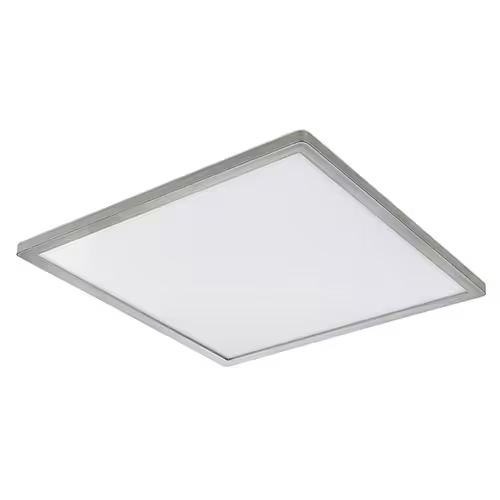
- LED panels: These flat luminaires offer wide light distribution and can be integrated unobtrusively into grid ceilings or suspended ceilings. Ideal for open-plan offices or conference rooms.
- Surface-mounted luminaires: A good solution for concrete ceilings or existing buildings without suspended ceilings. They sit directly on the ceiling and provide strong, uniform illumination.
- Louvre luminaires: Classic and functional. Often found in older office buildings. The special louvre look reduces glare - but with a more technical appearance.
- Smart home ceiling lights: Intelligent lighting control via app, timer or sensors. The light automatically adapts to the time of day, usage or presence in the room.
This variety makes it easy to find the right solution for every office situation - functional, stylish and well thought-out.
Tip: The combination of ceiling lights with other types of lights (office floor lamps, office wall lights and office pendant lights) creates a harmonious lighting concept with functional and aesthetic added value.
Which design suits the modern office?
Minimalism with function
Clear lines, slimline housings, restrained colours - modern ceiling lights for the office blend unobtrusively into any environment. They don't draw attention to themselves, but to the work. Particularly popular: flat LED panels or linear light strips that can be seamlessly integrated into suspended ceilings.
Modular lighting systems for flexibility
Workplaces change. Teams grow, rooms are utilised in new ways. Modular lighting systems respond flexibly to this. Individual lighting modules can be added, moved or dimmed as required.
Which ceiling light for which office area?
Individual office
Focussed, not too bright light is needed here. Flat LED panels with a neutral white light colour are ideal. They create clarity without over-illumination.
Open-plan office
The challenge: uniform illumination with variable workstation distribution. Linear lighting systems with direct and indirect light emission ensure balance - for both concentration and communication.
Conference room
What counts here is the effect. A combination of dimmable ceiling luminaires and accent lighting creates atmosphere. The lighting should be flexibly adapted for presentations.
Corridors and reception
First impressions count. Ceiling luminaires in the reception area must be inviting - but also functional. Warm white light with moderate brightness conveys confidence and orientation.
How do office ceiling luminaires differ from residential luminaires?
The requirements in the office are stricter. While cosiness is important at home, functionality takes centre stage in the office. Glare-free lighting, long operating times, constant brightness and neutral white light - these are all features that distinguish office ceiling luminaires from residential luminaires.
Standards also play a role: clear guidelines on illuminance and light distribution apply to workplaces. High-quality office ceiling luminaires fulfil these requirements and ensure legal certainty.
How does light contribute to well-being in the workplace?
Light influences the biorhythm. Too little or the wrong light disturbs sleep, mood and performance. Good office lighting strengthens the internal clock. It activates in the morning, promotes focus at midday and calms in the evening.
How can the right office ceiling light be selected?
- Analyse requirements: How big is the room? How is it used? Where are workstations located?
- Determine the light colour: Neutral white (4,000 K) is suitable for concentrated work. Daylight white (5,500 K) has a particularly energising effect.
- Select installation type: Suspended ceilings, exposed concrete or grid ceilings - every ceiling requires a suitable luminaire.
- Take control into account: Dimmer, motion sensor, app control - what technology supports everyday life?
- Coordinate the design: The light should be functional, but also match the interior.
How often do you need to replace LED ceiling lights?
Good LED lights last around 20,000 to 50,000 hours. If used for 8 hours a day, this means up to 15 years of operation - without replacement. The quality of light also remains constant. This saves maintenance costs and ensures long-term planning.
High-quality ceiling lights for the office
Rely on clear structures, glare-free light and modern technology. Our ceiling lights for the office combine functionality with style - for greater efficiency, a greater sense of well-being and an impressive working environment.
Browse the range now and design your rooms with light that works.
Frequently asked questions
How wide should the beam angle be for office ceiling lights?
A wide beam angle of 90° to 120° is ideal for uniform room lighting. A narrower angle can be useful for targeted illumination - at workstations, for example.
Are dimmable ceiling lights useful in the office?
Yes, they allow flexible adjustment to the time of day, usage and individual requirements. This creates a pleasant lighting atmosphere - especially in meeting rooms or creative zones.
Which material is suitable for durable office ceiling lights?
Aluminium or steel housings offer high stability and good heat dissipation. Plastic covers provide glare-free light - the combination makes all the difference.
What effect do flickering luminaires have on health?
Flicker-free light prevents headaches, eye strain and discomfort. Look out for high-quality drivers and tested products.
Can you install office ceiling lights yourself?
In many cases, yes - depending on the model and installation method. However, for complex installations or power connections, we recommend that you call in a specialist to ensure safety and functionality.